
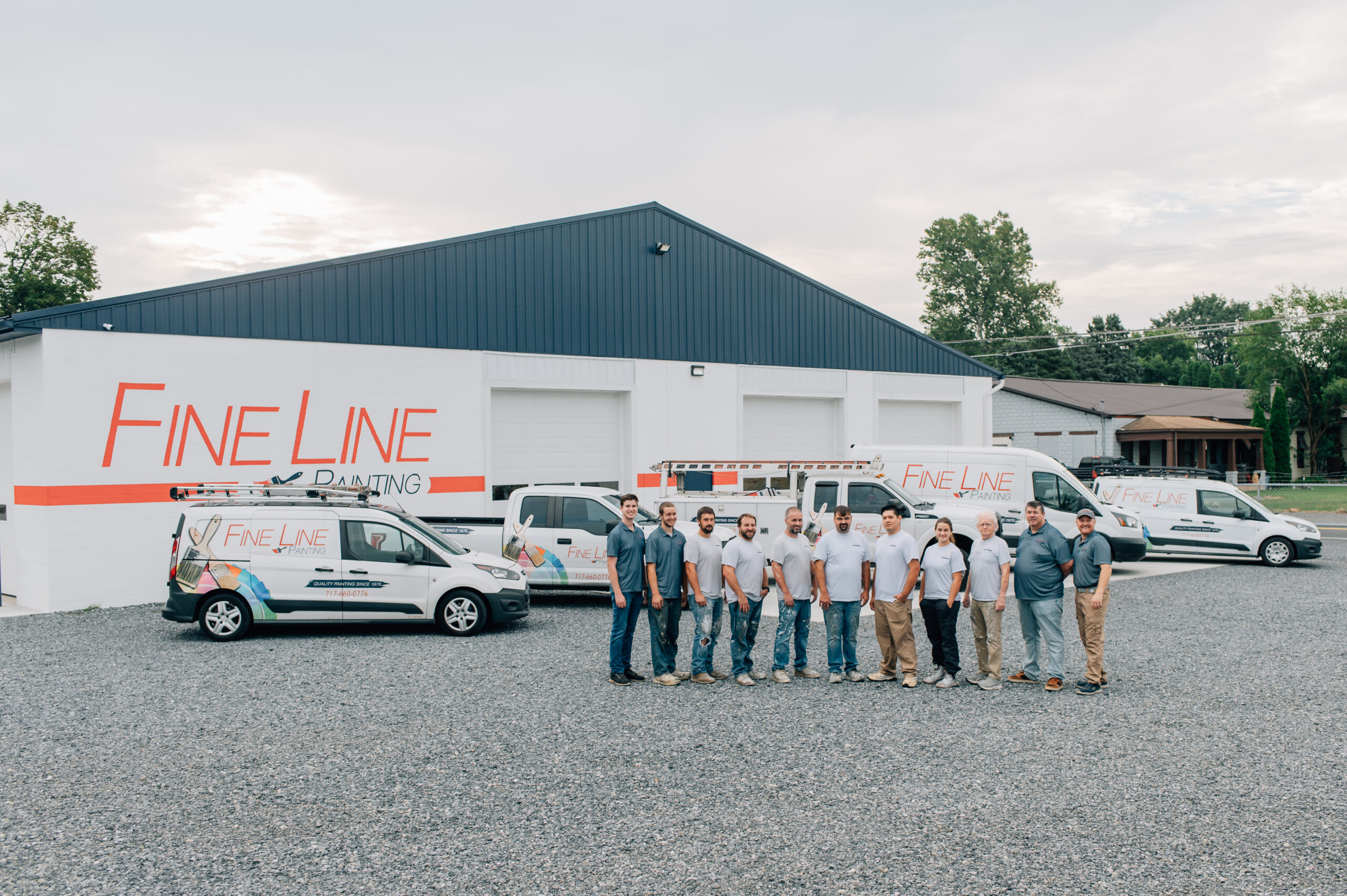
Do you have a painting project waiting to be conquered? Are you dreading all the mess involved and are curious what’s involved in hiring professionals for the job? Read on! This blog is here to serve as a tool to help you hire the best team that transforms your space into something truly beautiful. We’ll also outline the processes professional painters follow from start to finish.
And if you are looking for professional painters in Lancaster, PA, we at Fine Line Painting would be thrilled to knock out your dream project.
Alrighty, time to jump to some answers!
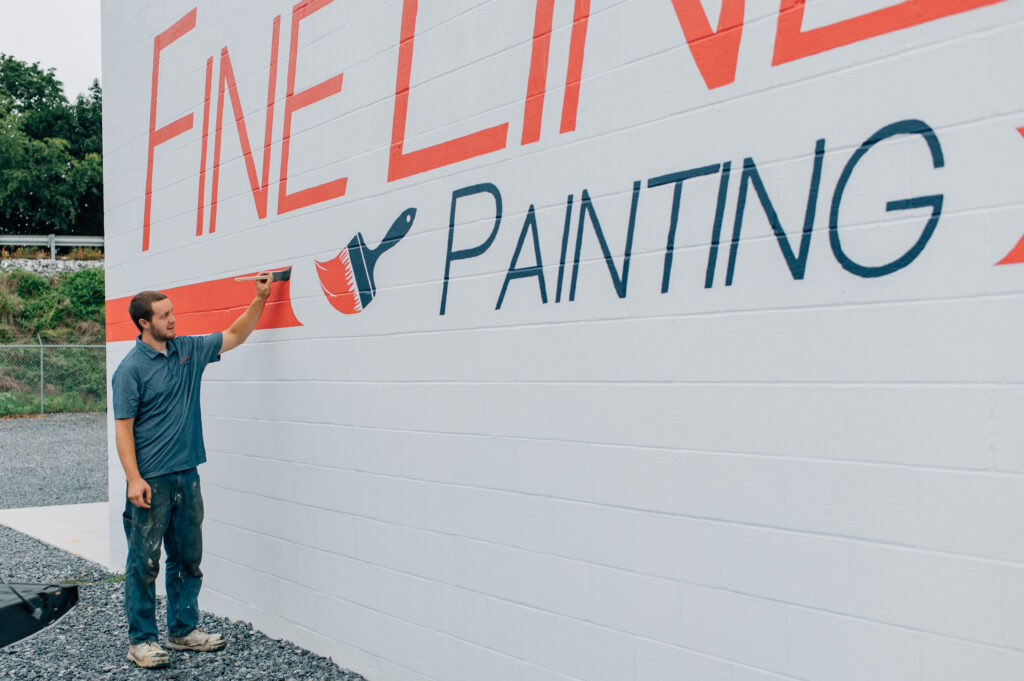
How Professional Painters Paint
Let’s start with the basics: a professional painter provides quality painting services to both residential and commercial projects, whether interior or exterior. First, let’s spill the paint on how professional painters paint the following categories:
- Interior residential projects
- Exterior residential projects
- Interior commercial projects
- Exterior commercial projects
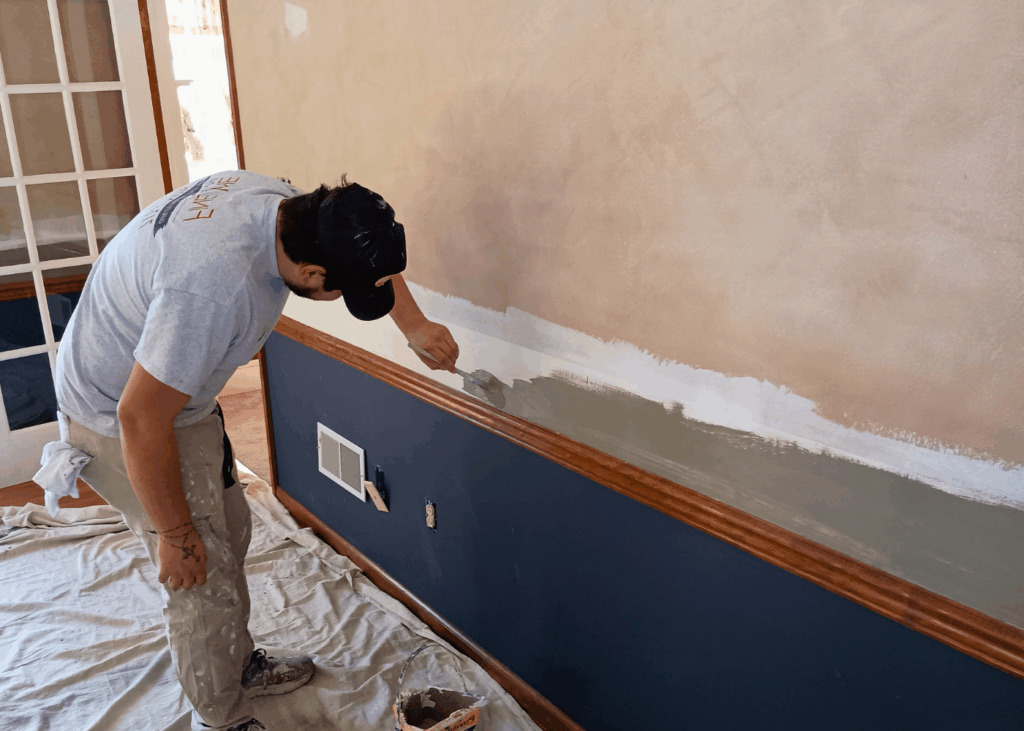
Interior Residential Projects
There’s a bit of a process for professional painters to undergo when working on an interior residential project. Ready to examine all the steps necessary?
- Inspect the house
- Protect the house
- Prep the surface
- Prime
- Paint
- Inspect again
Inspect The House
When you’re looking for the right professional painting crew for your interior residential project – be it a bathroom, closet, or living room – first, they must inspect your home to know what the project will cost them to finish. Below are some of the things that professional painters ask themselves when they are coming up with a quote for you:
- How much paint will it require?
- Is it a major color change, like painting a wall dark green that is currently white?
- Is there trim or a lot of woodwork to paint around?
- How many rooms is this painting job?
- What is the total surface area to be painted?
- Are there a lot of nail holes, cracks, stains, and peeling surfaces that must be addressed before it is painted?
Protect The House
An important next step is protecting your furniture and existing surfaces from the paint job that is about to unfold. For example, placing drop cloths on couches or plastic over floors and removing switch plates and light switch covers.
Prep The Surface
At this point, all the surfaces needing a paint job become a priority. Cracks and holes in the wall are patched. Uneven surfaces are smoothed down. If there are any cracks between the trim and walls, they are caulked. And finally, every surface is wiped down to ensure that all pesky grime, dust, and dirt are completely removed. All of this work is essential to ensure that you end up with a smooth, beautiful finish.
Priming
Priming is often done before painting, but not always. If the wall has never been painted, there is a major color change happening, or areas of the wall that need to be repaired or holes patched, primer is needed. This step is often not needed when a painted wall is already in excellent condition or the color change is minimal.
Painting
Your professional painting crew will pop the lids on your dream paint colors and get to work. The ceiling is the area that will be painted first, to keep drips and excess paint off of your freshly finished walls. Next, your walls will transform into crisp surfaces, followed by the cutting around the walls and trim.
Inspect Again
Before you get back to living your best life, professional painters clean up any plastic or drop cloths, remove their painting equipment, and generally clean up any mess they made.
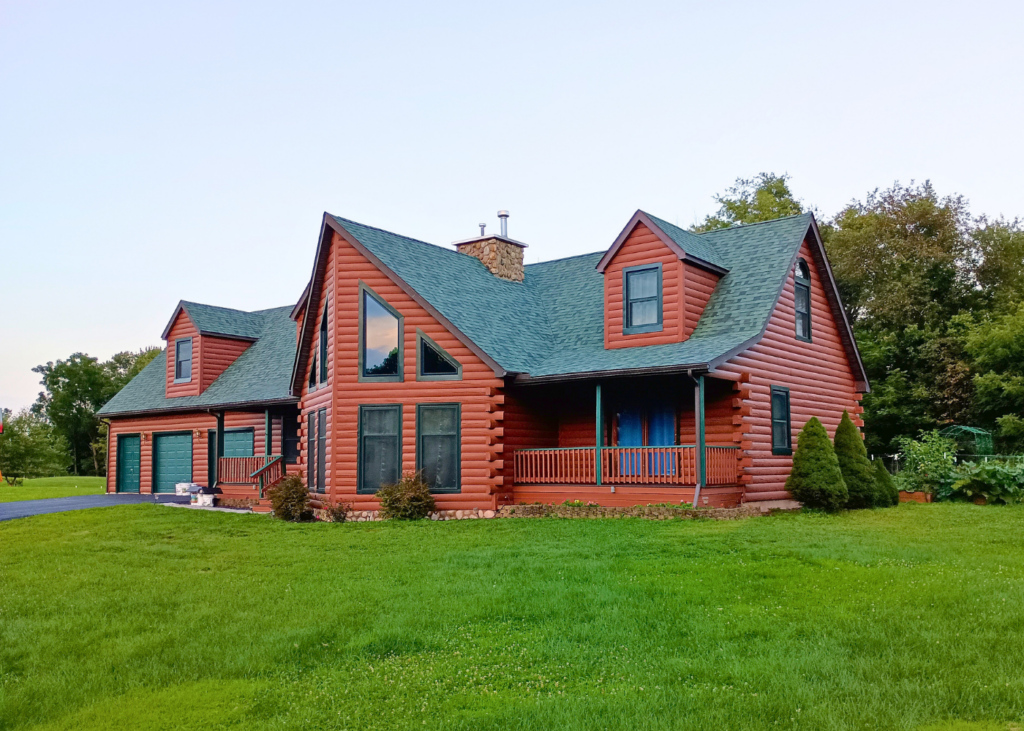
Exterior Residential Projects
There are important steps that professional painters take before painting exterior residential spaces, including:
- Inspect the exterior
- Clean
- Repair
- Prime
- Paint
- Inspect one last time
Inspect The Exterior
The extent of this part of the project will vary depending on what you are having painted. Most likely, the inspection will include some of the following aspects: soffits, doors, shutters, decks, trim, patios, walls, steps, etc. Additionally, at this stage, loose wood, rotted wood, cracks, and other problems will be addressed before painting.
Clean
When it comes to painting exteriors, professional painters pressure wash surfaces to avoid painting over algae, mildew, and grime. New paint sticks best to properly cleaned surfaces and cleaning is crucial to prevent unwanted growth.
Repair
Professional painters take care that boards are replaced or repaired, surfaces are sanded down if needed, and loose paint is scraped and removed from buildings.
Prime
Before painting, professional painters apply primer to any bare boards or metal, if needed.
Paint
Now the painting begins! With exterior residential painting jobs, your professional painters may opt to use rollers, hand brushes, or paint sprayers depending on the exact job that you have for them to accomplish. Additionally, they will paint trim, gutters, and other detail work, as needed.
Inspection
Lastly, professional painters will inspect the work they’ve completed, checking for any missed spots and ensuring they followed everything as planned. Their job is to get it done right and this involves inspection at the end of every paint project.
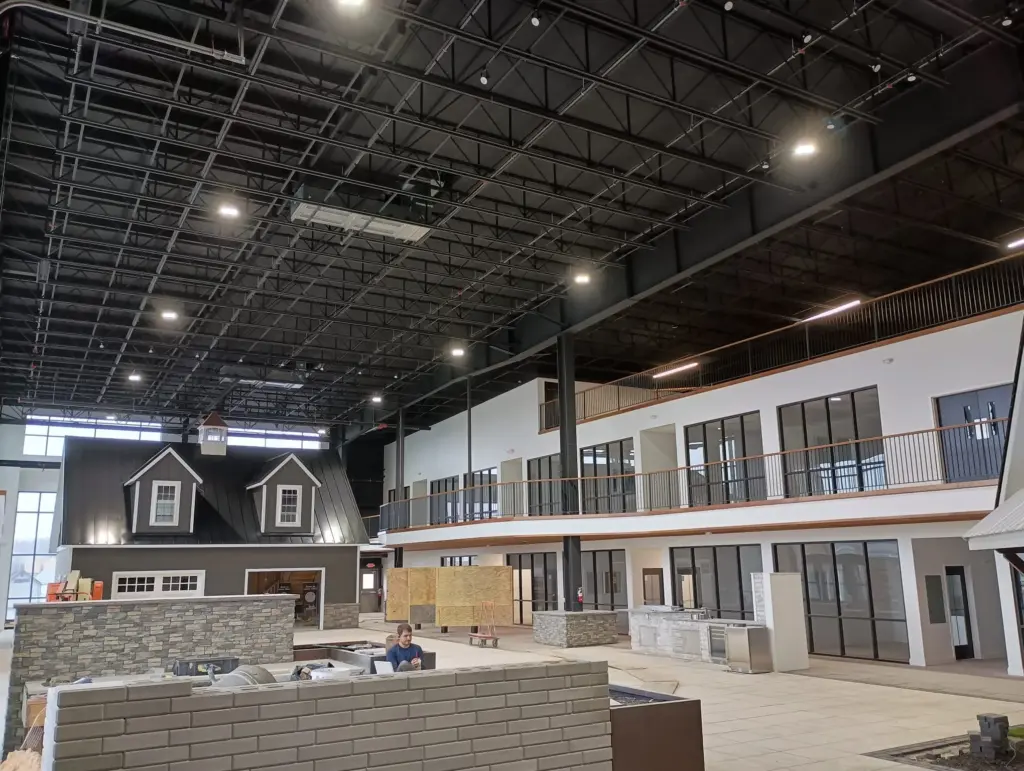
Interior Commercial Projects
Time to learn how professional painters paint commercial projects:
- Plan
- Site Prep
- Surface Prep
- Paint
- Inspect
Plan
Along with the building managers, professional painters have to plan the timeline of the project. What hours are free to paint? Will the painters have to come on weekends or work nights? Is the business shutting down for the paint project? After all of that is figured out, the professional painters review the safety requirements needed for this specific commercial space.
Site Prep
Like any other painting project, the area needs to be protected from unwanted paint. Lifts or scaffolding may be required for commercial buildings with tall ceilings. Using OSHA safety guidelines, professional painters ensure everything is safe and good to go.
Surface Prep
Prep, prep, prep. And honestly, sometimes that can take longer than the actual paint job! Between fixing drywall, sanding surfaces, and priming repairs, professional painters know that these steps are absolutely imperative to a satisfactory finished product.
Paint
Finally, it’s time to paint. Sometimes professional painters will have to paint in phases to keep operations within the business or company running smoothly. For example, a hallway may be painted on one side alone to allow people to pass on the right.
Walk Through
With a final inspection, professional painters ensure everything has a uniform look, including color and finish consistency.
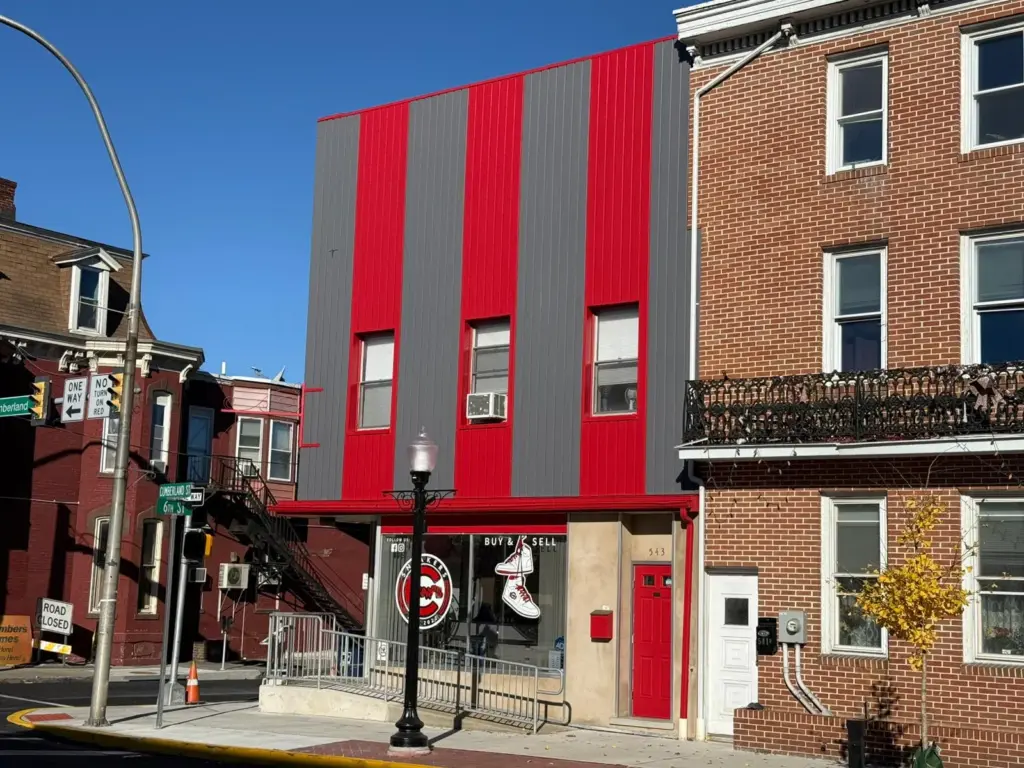
Exterior Commercial Projects
What process do professional painters follow for exterior commercial paint projects?
- Initial Inspection
- Site Prep
- Surface Prep
- Prime
- Paint
- Inspect Again
Initial Inspection
First, the manager will take a careful look at the area and take note of any specific prep work that will need to be done so the team can be fully prepared on the day they show up to get started.
Site Prep
Covering the area is a first step in order to protect landscaping, windows and whatever else is surrounding the structure that’s getting painted, to prevent paint drips.
Surface Prep
This is the time for the team to do any repairs, cleaning, or scraping and sanding. Often power washing is part of the cleaning process. Replacement of any rotting wood or resealing areas are also part of this step.
Prime
Next, it’s time for the primer to be applied. This is especially important for new structures that have never been painted. Priming before painting helps the paint stick to the surface better. Professionals use sprayers and other state-of-the-art equipment that helps get the job done right in a timely manner.
Paint
Once everything is prepped and primed, the painting begins. Professional painters use sprayers and lifts to help get the job done proficiently and with accuracy. They use high quality commercial paint that endures all kinds of weather and sun exposure.
Inspect Again
Finally, professional painters do one final inspection of the whole area, double checking that all the paint adhered to the surfaces as intended and that there were no missed spots. Most painters will clean up after the project and leave the place like no one was there, except to leave you with a like-new exterior commercial building.
Pro Tip For Finding Quality Commercial Professional Painters:
Quiz all potential professional painting teams on what paint they will use on your building. Make sure they follow any local code requirements for paint on commercial buildings. Not only will this increase your property value, but it will also ensure that you are safe from any potential lawsuits.
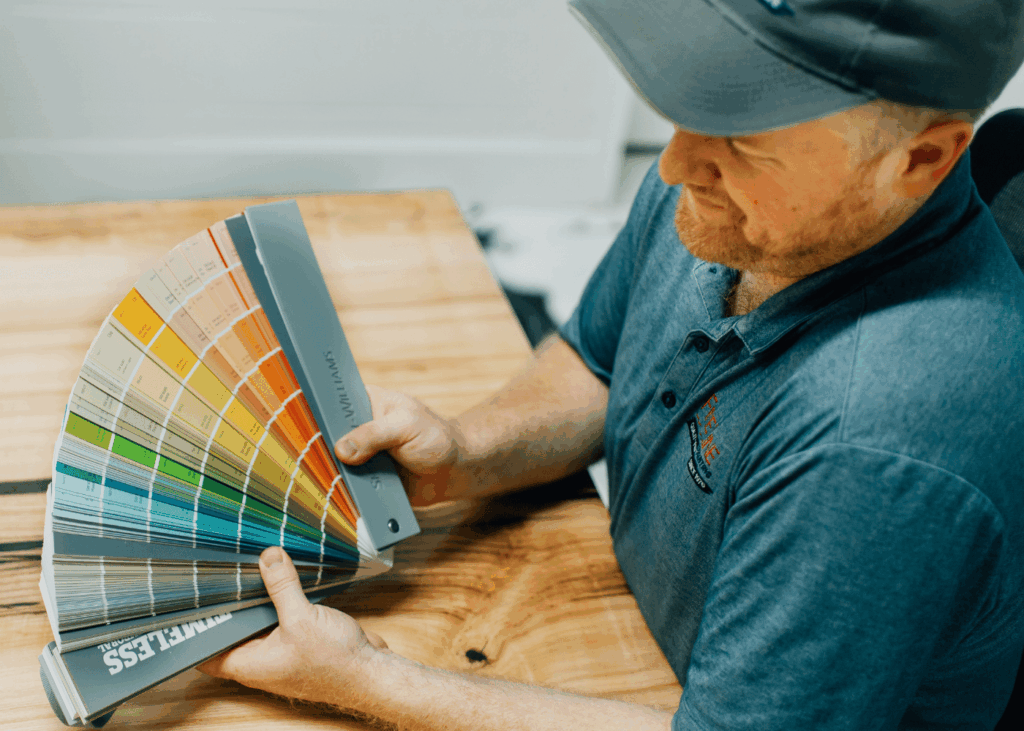
What Kind Of Paint Do Professional Painters Use?
Good question! This can vary from paint company to paint company, but in our research, we find that there is a common trend: most companies choose either Sherwin-Williams or Benjamin Moore.
| Painting Job | Paint Brand/Specifics |
| Commercial Interior | Sherwin-Williams ProMar 200; Benjamin Moore Ultra Spec 500; Benjamin Moore Scuff-X |
| Commercial Exterior | Sherwin-Williams A-100; Sherwin-Williams Duration Exterior; Benjamin Moore Element Guard |
| Residential Interior | Sherwin-Williams Duration Home; Sherwin-Williams Cashmere; Benjamin Moore Regal Select; Benjamin Moore Aura |
| Residential Exterior | Sherwin-Williams Duration Exterior; Sherwin-Williams Emerald Exterior; Benjamin Moore Aura Exterior; Benjamin Moore Element Guard |
Here at Fine Line Painting, we pride ourselves on using Sherwin-Williams paint exclusively because we believe in its durability and excellent quality.
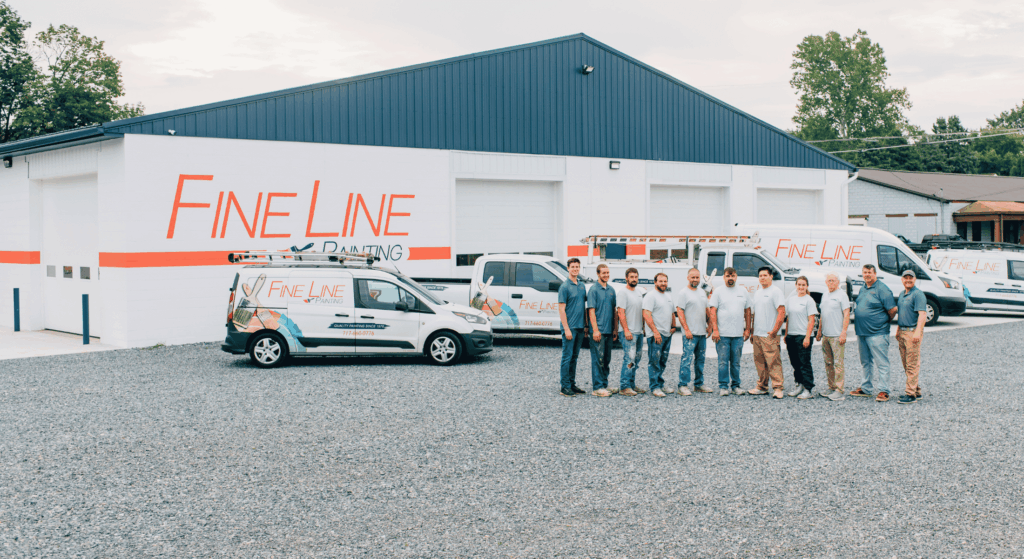
Why Hire Professional Painters?
You might be asking yourself, Why go through all the hassle of finding the right crew? Can’t I just do the whole project myself?
These are good questions. You must consider if you have the time, experience, and proper equipment needed for the painting job at hand.
Time
Painting takes time (LOTS of it) and often, things do not go as planned. Innumerable holes in walls, sanding uneven surfaces, wiping away grime, and then…finally, it’s time to paint. And even at this point, sometimes catastrophe knocks: you accidentally spill paint on the floor, maybe you keep leaving pesky streaks with your brush, or you don’t have a buddy to cut while you roll, so the transitions are very noticeable.
Experience
Next thing to consider is experience. Are you capable of the task? And be honest with yourself. It’s one thing to paint the interior of your closet (ain’t nobody looking at those paint lines), but it’s a whole nother thing to paint your brand new kitchen or sun room where every golden hour reveals potential flaws.
Proper Equipment
Finally, do you own the proper equipment to finish exterior paint jobs or ones that require scaffolding or sandblasters? And even if you have a way to get the needed equipment, are you equipped to do it both effectively and safely?
Now, here’s the good news: A professional painting crew is all of these things – efficient, competent, and possessing the correct equipment for the job. In a fraction of the time that it would take you to paint an entire house, professional painters will get the job done beautifully, allowing you to get back to other priorities.

What Are The Benefits Of Hiring Professional Painters?
If you are still on the fence about booking a team of professional painters, check out all the benefits that are at your fingertips:
- Less stress
- Higher quality
- Quicker results
- Safety
- Insurance
Less Stress
When you have a whole team of professionals taking over your painting project, you cut out the stress of having to start and finish the project all by yourself. Instead, you can invest in what’s most important to you and your family.
Higher Quality
Maybe you have some experience painting, but keep in mind that professionals paint every day, are skilled in their craft and have access to state-of-the-art equipment that supports flawless finishes. A professional paint job comes with guaranteed high quality lasting durability.
Quicker Results
When you hire a professional team to do your paint job for you, soon enough you’ll be able to jump back into your space – be it the kitchen, bathroom, or your business – and get back into your groove.
Safety
Not only do professional painters have the necessary skills to remain safe, but they also have the equipment for commercial or exterior painting projects that require such measures.
Insurance
Along with safety, many professional painters have an insurance policy in case anything goes wrong. This is an important protection for you, too.
Frequently Asked Questions
Do Professional Painters Use Sprayers?
It depends on the job. If a space is extra large and has hard-to-access areas, then professional painters will likely use a sprayer. Otherwise, a roller can also work well for a large room and comes with less prep and clean up work.
Do Professional Painters Use Tape?
Yes, professional painters often use painter’s tape. Why? Well, it helps to protect areas that aren’t getting painted. Fireplaces, baseboards, kitchen cabinets, and walls that are getting more than one color: these are all examples of areas where a professional painter may decide that painter’s tape is the right option for the job. This helps ensure they get a clean, finished look all throughout the job, ensuring that everything looks crisp and precise.
Ready for a curveball? At Fine Line Painting, we do not use painter’s tape. Huh? Yes, you read that right. We train every professional painter on our team to be extremely precise when cutting around anything already existing in the house (closets, door frames, trim, you-name-it), and as a result, taping is just an extra step that takes more time, translating into a larger bill for you to pay. Besides, sometimes people get a bit too reliant on painter’s tape, which sometimes results in paint seeping through the edges and messing up the accurate lines that were the aim.
What Questions Should I Ask My Professional Painters?
- Do I need to be out of the house when the team paints? Or can they co-exist with me and my family around, if needed?
- Will they finish all prep work for me?
- Will they fill holes, sand down walls, wipe off dust and grime, and ensure that drop cloths are laid out over carpet or tile/wood floors?
- Does this professional painting team work only from 9 a.m – 5 p.m. on weekdays, or do they also rush projects for weekends?
- What do online reviews say about this crew?
- Do they have insurance for their crew?
- Is the equipment they plan to use safe for your specific building?
- Will they use paint that aligns with your values and local building codes?
- For commercial projects, do they have OSHA training?
Conclusion
Thanks for following us on this journey of learning about the ins and outs of professional painters! If you ever need a paint job done in Lancaster County, whether a bathroom, kitchen, or barn, we would be thrilled to professionally paint it for you!
